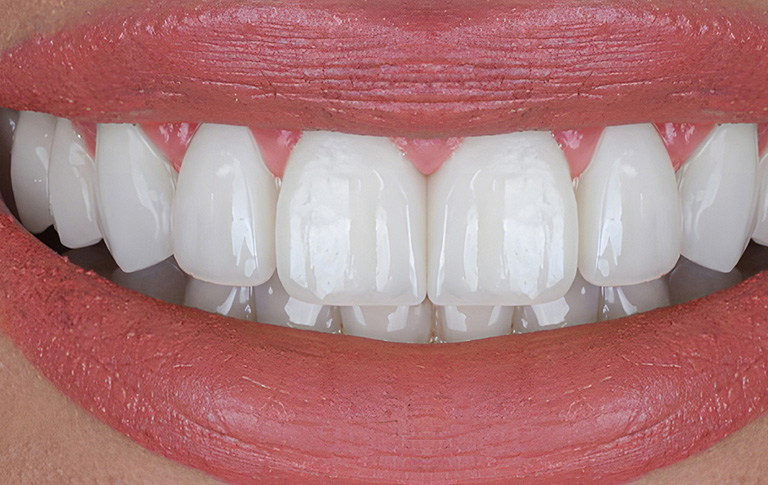
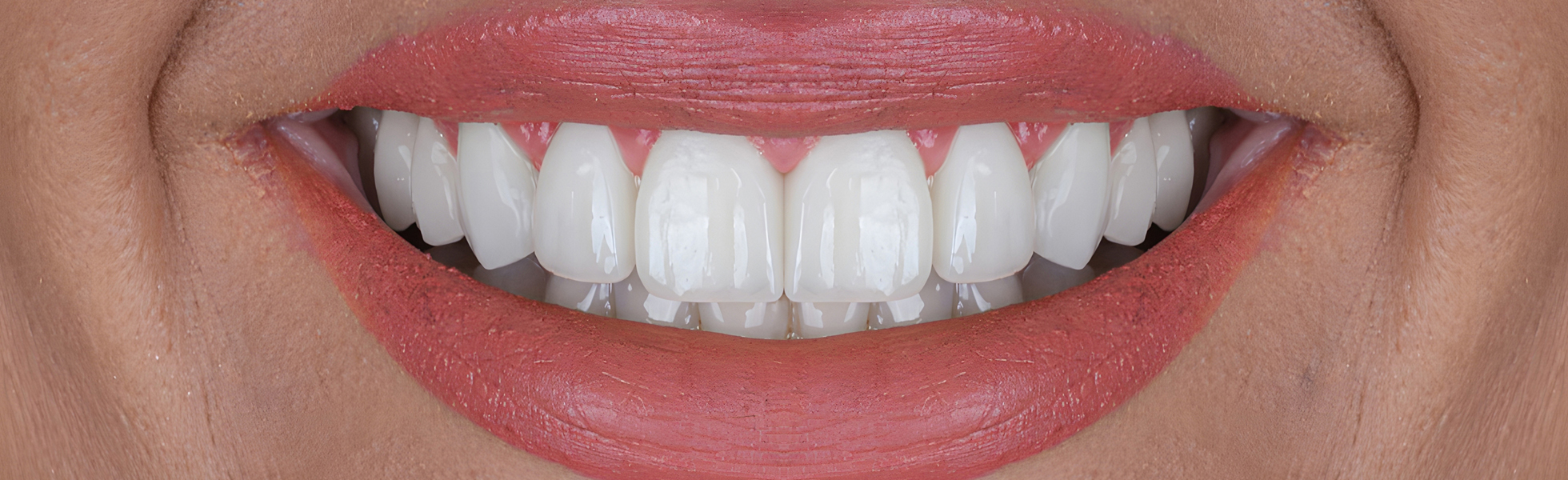
Smile design is a personalised approach to planning dental treatment that focuses on improving the appearance of the smile while supporting oral health and function. Rather than being a single treatment, smile design involves assessing the teeth, gums, bite, and facial features to determine what combination of treatments may be appropriate for an individual.
At East Coast Bays Dental, smile design is approached carefully and conservatively. The process focuses on understanding your concerns, assessing suitability, and planning treatment in a way that balances aesthetics, function, and long-term dental health.
Smile design is a form of cosmetic dental planning that looks at how different aspects of the smile work together. This may include tooth colour, shape, size, alignment, and how the teeth relate to the lips and face.
A smile design assessment allows your dentist to identify areas that could potentially be improved and discuss suitable options. Not every smile requires treatment, and smile design may involve simple changes or more comprehensive planning, depending on individual needs.
Smile design may be considered by patients who are concerned about the appearance of their teeth or smile. This might include issues such as discolouration, worn or uneven teeth, gaps, or previous dental work that is visible.
Before any cosmetic treatment is considered, your dentist will assess oral health to ensure teeth and gums are stable. Smile design focuses on suitability and long-term outcomes rather than quick cosmetic changes.
Smile design often involves a combination of treatments rather than a single procedure. Depending on individual assessment, this may include:
Your dentist will explain which treatments may be appropriate and whether alternatives should be considered.
A smile assessment involves a detailed evaluation of your teeth, gums, bite, and smile aesthetics. This may include photographs, digital scans, or impressions to help plan treatment accurately.
The planning stage allows you to understand what is achievable, the sequence of treatment if more than one procedure is involved, and any limitations that may apply. Smile design planning ensures that any proposed treatment is considered carefully before proceeding.
The longevity of a smile makeover depends on the types of treatments involved, oral hygiene, bite forces, and ongoing dental care. Smile design planning includes discussion around maintenance and long-term considerations.
Regular dental check-ups and good oral hygiene play an important role in supporting the durability and appearance of cosmetic and restorative treatments over time.